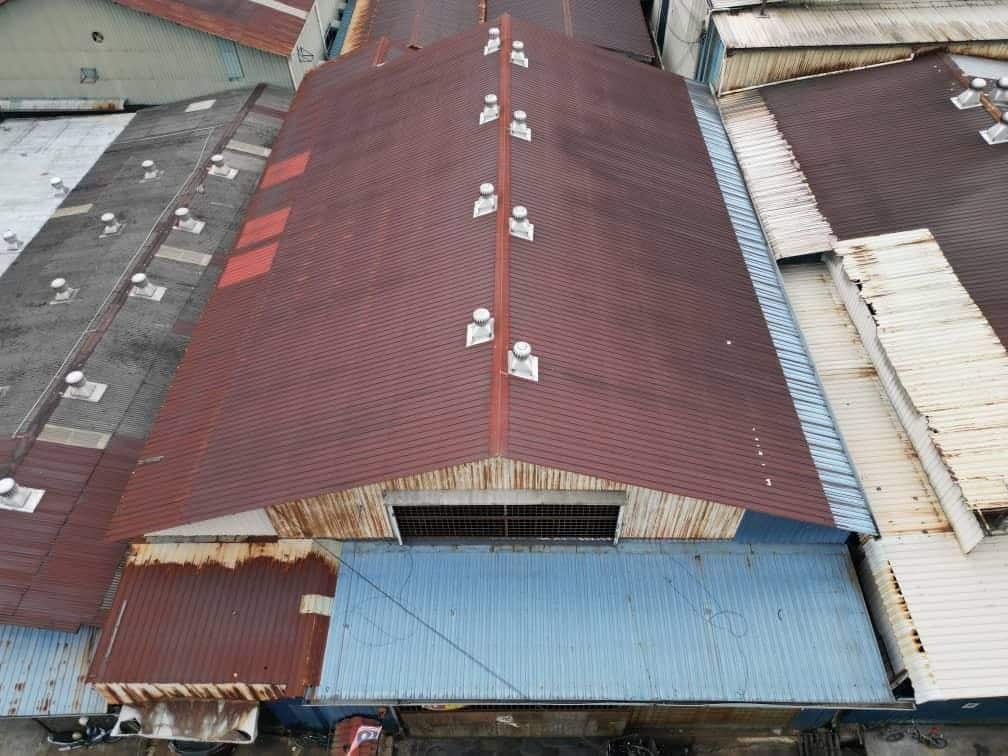
Understanding Malaysia’s Waterproofing Challenges
Malaysia’s tropical climate—characterized by heavy rainfall, high humidity, and temperature fluctuations—accelerates waterproofing failure in buildings.
A 2025 study by **Nippon Paint Malaysia and MIPFM highlights widespread issues:
90% of respondents reported roof leaks caused by poor drainage or water ponding
90% experienced wall seepage due to cracks or aging façade coatings
70% faced bathroom and wet-area leaks in residential and commercial buildings
These issues reflect systemic maintenance gaps, driven by limited budgets, aging materials, and lack of preventive waterproofing practices.
The Hidden Cost of Reactive Maintenance
Delaying waterproofing repairs often leads to significantly higher long-term costs:
Rising repair expenses – Small leaks escalate into structural damage
Tenant dissatisfaction – Persistent dampness reduces comfort and occupancy rates
Property value decline – Poor maintenance reduces investor confidence
Safety risks – Water infiltration weakens concrete, steel, and structural integrity
As industry experts note, waterproofing failures are not minor defects—they are long-term structural risks.
Proactive Waterproofing Strategies
Shifting from reactive repairs to preventive maintenance is essential:
1. Regular Inspections
Quarterly or biannual checks using tools like thermal imaging and pressure testing help detect hidden leaks early.
2. Proper Material Selection
Use climate-suitable systems such as polyurethane coatings, PVC/HDPE membranes, and elastomeric solutions designed for tropical conditions.
3. Skilled Application
Correct surface preparation, joint sealing, and multi-layer installation are critical for long-term performance.
4. Integrated Drainage Design
Effective gutter systems and slope design reduce water retention and pressure on structures.
Key Project Applications
Industrial & Data Centers – Multi-layer membrane systems protect critical infrastructure
Residential Buildings – Roofs, bathrooms, and external walls treated for long-term durability
Commercial Properties – Waterproofing of roofs, lift pits, and water tanks ensures asset protection
Conclusion
In Malaysia’s climate, waterproofing is not a repair—it is a long-term investment in building durability and value.
Proactive maintenance reduces costs, prevents structural damage, and ensures safer, more resilient properties.
Early waterproofing action protects both buildings and long-term asset value.