

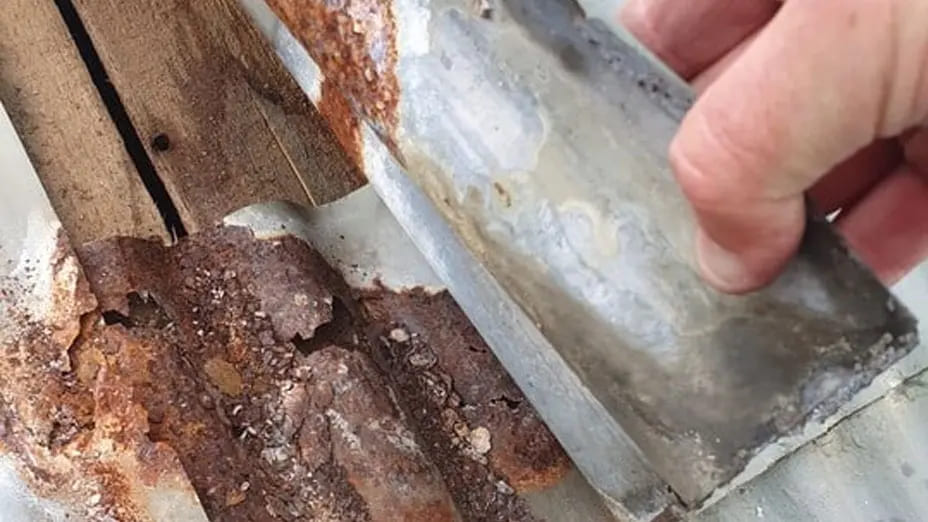
Most roof leaks in Malaysia do not start from the visible surface. In many cases, leakage begins from hidden waterproofing failure beneath the roof system, where moisture slowly penetrates through weakened layers caused by constant exposure to tropical weather conditions.
Across Malaysia, recurring roof leakage continues to affect residential houses, commercial buildings, factories, and high-rise developments. Even after multiple waterproofing repairs, many buildings still experience the same leaking problems repeatedly.
This reveals an important issue in the Malaysia waterproofing industry: many repairs only address visible symptoms instead of restoring the full waterproofing system.
Malaysia’s Tropical Climate Creates Constant Waterproofing Stress
Malaysia’s climate places continuous pressure on roofing and waterproofing systems. Heavy rainfall, strong UV exposure, high humidity, and temperature fluctuations all contribute to waterproofing deterioration over time.
Different regions experience different waterproofing challenges:
East Coast Malaysia
States such as Kelantan, Terengganu, and Pahang experience prolonged heavy rainfall during the Northeast Monsoon season. Continuous water exposure increases concrete saturation and accelerates leakage penetration.
Urban & Industrial Areas
In Selangor, Kuala Lumpur, and Johor, waterproofing failures are commonly linked to: Large flat roof structures, Heat island effects causing thermal expansion, Aging buildings with repeated repair history, Continuous UV and rain exposure
Northern Malaysia
Areas such as Penang, Kedah, and Perak often face waterproofing issues caused by seasonal storms combined with aging residential and commercial developments.
Sabah & Sarawak
High humidity and consistent rainfall create long-term moisture exposure, leading to gradual waterproofing degradation over time.
Although the environmental conditions differ across regions, the conclusion remains the same: waterproofing systems in Malaysia are constantly exposed to long-term environmental stress.
Why Waterproofing Repair Often Fails
Recurring roof leakage is rarely caused by a single defect. In most cases, multiple waterproofing failures happen simultaneously.
1. Surface Repair Without System Restoration
Many waterproofing repairs focus only on sealing visible cracks, ceiling stains, or leaking points. While this may temporarily stop water intrusion, hidden moisture pathways beneath the surface remain active. Once heavy rain returns, the leakage problem often reappears.
2. Incorrect Leak Detection
Water does not always leak directly below the entry point. It can travel through concrete slabs, joints, or structural layers before becoming visible inside the building. Without proper diagnosis, repairs are often carried out at the wrong location.
3. Poor Waterproofing Application
Even high-quality waterproofing materials can fail if installation is poorly executed. Common problems include: Inadequate surface preparation, Weak bonding between waterproofing layers, Incorrect system selection, & Failure to consider roof type and exposure conditions. Proper workmanship is just as important as the material itself.
4. Structural Movement & Micro-Cracks
Buildings naturally expand and contract due to temperature changes. Over time, this movement creates small cracks that allow gradual water penetration. These micro-cracks are often invisible during the early stages of leakage.
5. Drainage Problems & Water Ponding
Flat roofs commonly experience drainage issues, especially in urban buildings. Poor water flow causes ponding, which increases hydrostatic pressure and accelerates waterproofing deterioration.
What Effective Waterproofing Systems Should Include Long-term waterproofing performance requires more than temporary patchwork. A proper system should focus on complete water control and structural protection.
A reliable waterproofing repair system typically includes:
Proper surface preparation for strong adhesion
Detailed leak diagnosis and inspection
Internal crack and water-path sealing
Elastic waterproofing layers to absorb movement
Reinforcement at joints and critical details
Drainage improvement to reduce water accumulation
This system-based approach helps improve durability and performance under Malaysia’s tropical climate conditions.
Conclusion
Recurring roof leaks in Malaysia are rarely random incidents. In most cases, they result from incomplete repairs, poor leak diagnosis, structural movement, or waterproofing systems that are unable to withstand long-term tropical exposure.
Instead of focusing only on temporary surface sealing, property owners should evaluate whether the waterproofing system is designed to handle: Heavy rainfall, Constant UV exposure, Structural movement, & Long-term moisture stress
True waterproofing is not simply about stopping water temporarily — it is about controlling water movement effectively over the long term.
For buildings experiencing repeated leakage problems, a professional waterproofing inspection is highly recommended to identify the actual source of failure before unnecessary repair costs continue to accumulate.
Contact us today for a free roof leakage inspection and waterproofing assessment. Our team can help identify the real cause of leakage and recommend the most suitable long-term waterproofing solution for your property.


