

Waterproofing is one of the most important systems in building protection, helping prevent water leakage, structural damage, mold growth, and long-term deterioration. However, many property owners are unsure when waterproofing is needed, how it works, and why systems sometimes fail.
This comprehensive FAQ guide answers the most common waterproofing questions to help homeowners, contractors, and property developers make informed decisions.
1. What are the common signs of water damage?
Water damage usually develops over time. Key warning signs include:
Musty or damp odors
Mold and mildew growth
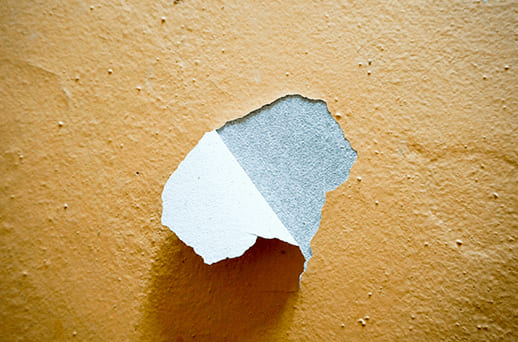
Peeling, bubbling, or cracked paint
Water stains on walls or ceilings
Warped wood, flooring, or ceilings
Visible leaks or water pooling
If these signs appear, your building may already have an active water leakage issue that requires immediate inspection and waterproofing repair.
2. How can I tell if a surface needs waterproofing?
A surface typically requires waterproofing if it is exposed to moisture, rain, or water pressure.
Common indicators include:
Efflorescence (white salt deposits on concrete)
Surface cracks or joint separation
Damp patches or water stains
Repeated leaks after rainfall
High-moisture areas such as basements, roofs, balconies, and bathrooms
Early waterproofing treatment helps prevent costly structural repairs in the future.
3. Is waterproofing suitable for both interior and exterior surfaces?
Yes. Waterproofing is essential for both indoor and outdoor areas.
Interior waterproofing applications include:
Bathrooms
Kitchens
Basements
Utility rooms
Exterior waterproofing applications include:
Roofs
Balconies
Facades
Podium decks
Foundations
Each area requires different waterproofing systems based on exposure and structural conditions.
4. Can waterproofing be left exposed?
Not all waterproofing systems are designed for exposure.
Some systems require protective layers such as:
Tiles
Screeds
Protective coatings
However, certain UV-resistant waterproofing systems can be left exposed depending on product specifications.
Always ensure proper system selection to avoid premature failure caused by sun exposure, traffic wear, or weather conditions.
5. Are waterproofing systems abrasion-resistant?
Abrasion resistance depends on the material used.
Common performance levels:
Polyurethane coatings – moderate to high durability
Polyurea systems – excellent abrasion and impact resistance
Cementitious systems – suitable for low-traffic, non-moving areas
For high-traffic zones such as rooftops, parking decks, and industrial floors, selecting a high-performance waterproofing system is essential for long-term durability.
6. Why does waterproofing fail?
Waterproofing failure is usually caused by installation or design issues rather than the material itself.
Main causes include:
Poor surface preparation
Wrong waterproofing system selection
Incorrect application methods
Structural movement or cracking
Lack of maintenance over time
Professional installation and proper system design are critical for long-lasting waterproofing performance.
7. Why are there different types of waterproofing systems?
Different waterproofing systems exist because every building has unique conditions.
Key factors include:
Climate and weather exposure
Surface material (concrete, metal, etc.)
Structural movement
Water pressure level
Usage conditions (residential, industrial, commercial)
Common waterproofing systems include:
Liquid-applied membranes
Sheet membranes
Cementitious waterproofing
PU injection systems
Choosing the correct system ensures better protection and longer service life.
Conclusion
Waterproofing is not just a repair solution—it is a long-term investment in building protection. Understanding the early signs of damage and selecting the right waterproofing system can prevent serious structural issues and costly repairs.
For best results, always consult a professional waterproofing specialist to assess and recommend the most suitable solution for your property.


